- KN5 Road Remera Kigali
- info@4x4kigalicarentals.com
- +250 787809667
Bwindi Impenetrable National Park sits in southwestern Uganda, along the edge of the Albertine Rift Valley. Its steep, mist-covered hills shelter one of Africa’s oldest and most biologically rich rainforests. Scientists estimate the forest is more than 25,000 years old, and it supports close to 400 species of plants, from towering hardwoods to delicate ferns and orchids. Walking beneath this dense canopy feels like stepping into another era.
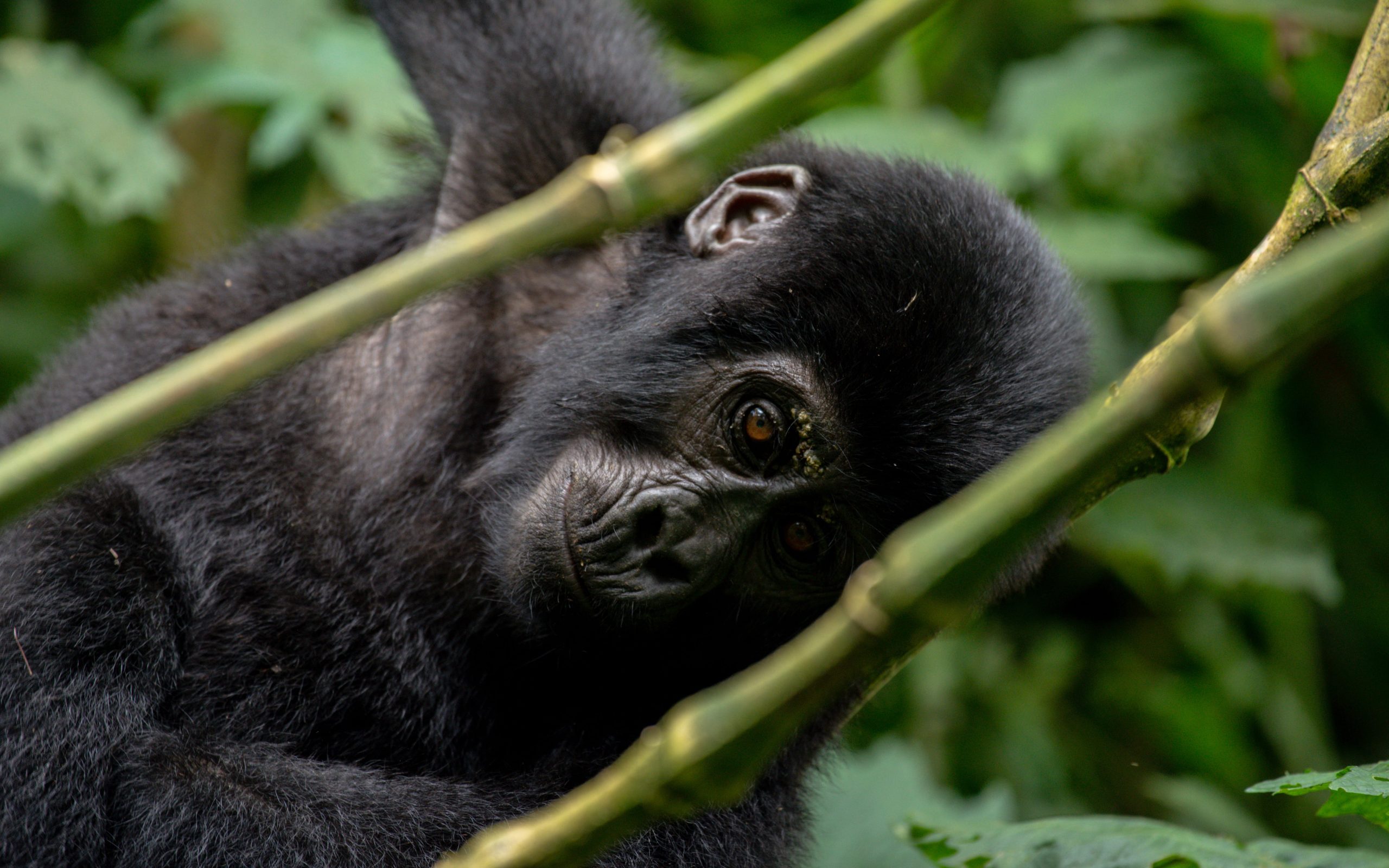
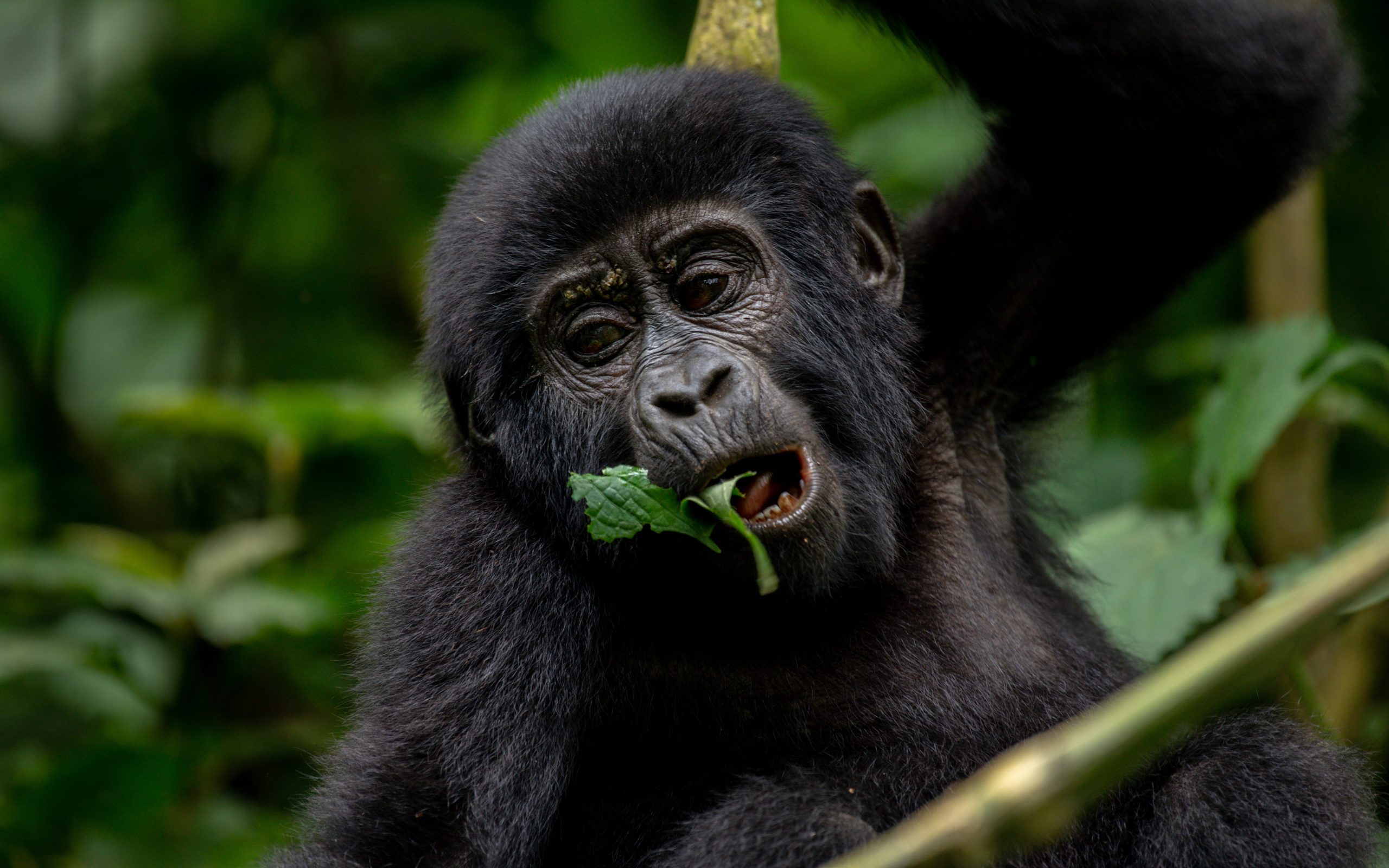
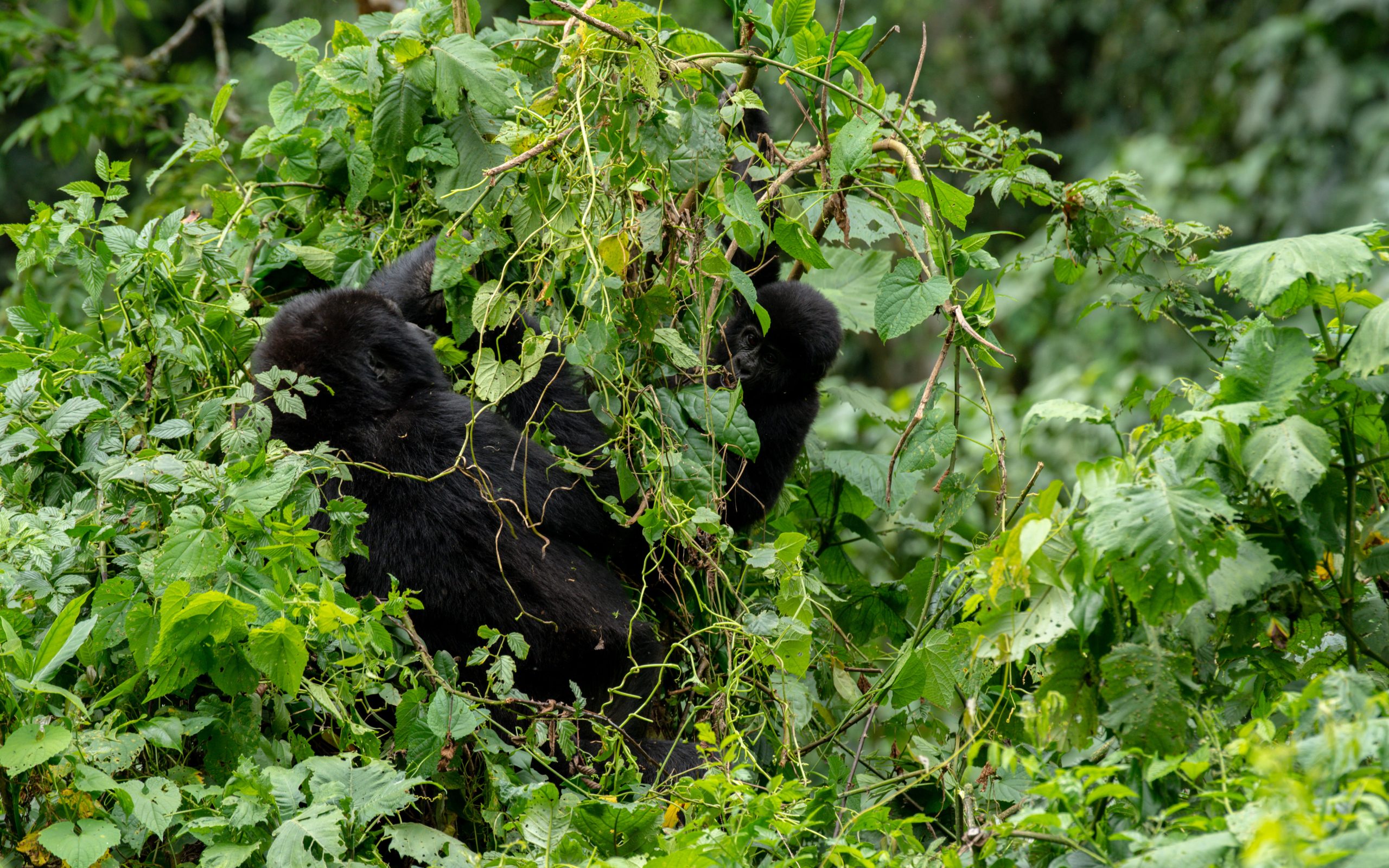
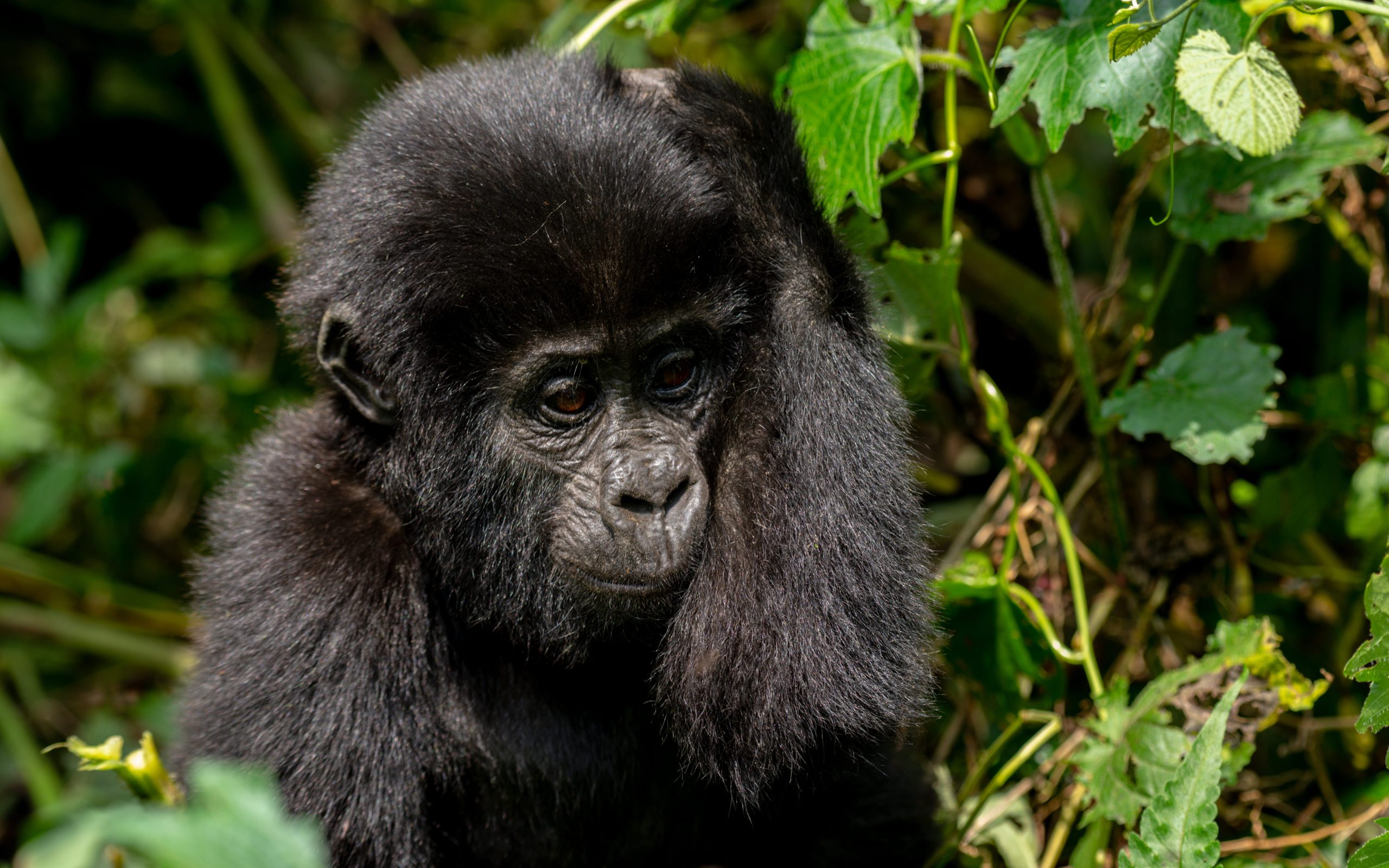
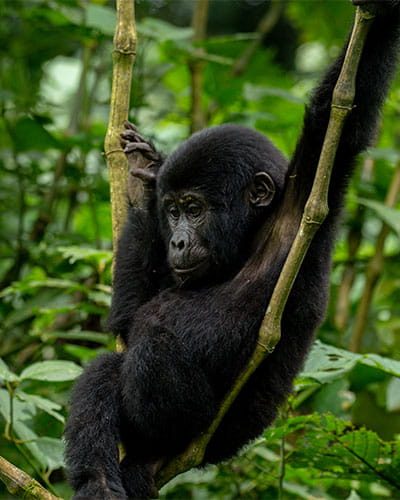
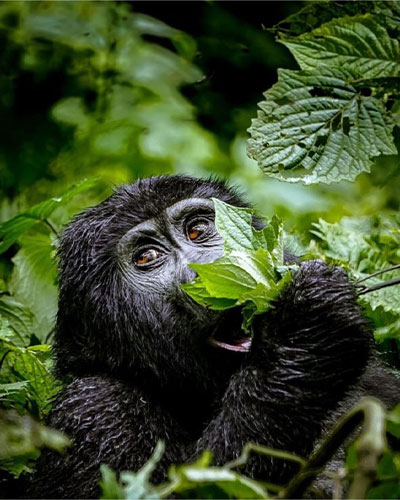
The main reason travellers come here is the gorillas. Bwindi protects nearly half of the world’s remaining mountain gorillas, a species that was once critically endangered. Several gorilla families have been habituated to human presence, which means visitors can join guided treks to spend time in their company. After hiking through the forest with experienced rangers and trackers, you reach a family and watch them feed, play and rest, often just a few meters away. Many visitors describe it as the highlight of their entire journey through Africa.
Permits are issued for set sectors of the park, and each trek is carefully managed to protect the animals. Treks can take anywhere from one hour to most of a day, depending on where the gorillas moved overnight. Sturdy hiking boots, a rain jacket and gloves are strongly recommended, and porters are available to carry your bag and help on slippery slopes.
Bwindi is rich in other wildlife too. The forest is home to around 120 mammal species, including chimpanzees, baboons, forest elephants and several kinds of antelope. Birdwatchers will find it equally rewarding, with roughly 350 bird species recorded, 23 of which occur only in the Albertine Rift. Bring binoculars and listen closely, because many of these birds are heard long before they are seen.
Communities around the park, such as Buhoma and Nkuringo, provide a range of places to stay. You can choose from luxury lodges with sweeping forest views, comfortable bandas, or simple campsites for those on a tighter budget. Restaurants serve fresh local dishes, craft stalls sell handmade baskets and carvings, and local guides lead nature walks beyond the gorilla sectors.
Cultural experiences add depth to any visit. You can meet the Bakiga and Batwa people through traditional dance, craft workshops and guided village walks. The Batwa, the forest’s original inhabitants, share stories of life in the rainforest and their traditional knowledge of its plants and wildlife. Your visit also supports these communities directly.
Getting to Bwindi is part of the adventure, and car rental gives you the freedom to enjoy it on your own schedule. Whether you travel from Kampala, Entebbe or Kigali, the route passes through terraced hills, tea plantations and lively market towns. With a rental vehicle, you can stop for photos, visit viewpoints and take detours without depending on fixed transport timetables.
Roads near the park can be steep, narrow and muddy, especially in the rainy seasons. For this reason, a 4×4 vehicle such as a Land Cruiser or Land Rover is the best choice. Many rental companies offer a professional driver-guide, which is ideal if you prefer to relax, learn about the landscapes and let a local expert handle the terrain. If you prefer to drive yourself, a self-drive option is available, though it helps to plan fuel stops and download offline maps before you leave.
Book your gorilla permit early, as availability can be limited in peak seasons. Then arrange your car rental to match your trek date, accommodation and onward travel to destinations such as Queen Elizabeth National Park or Lake Bunyonyi. Combining a reliable vehicle with a well-planned itinerary lets you enjoy Bwindi at a comfortable pace, from the first winding drive to the moment you meet the gorillas.
Gorilla trekking is the highlight of any visit to Bwindi Impenetrable National Park. Experienced rangers guide you to one of the habituated gorilla families in the thick forest. The trek is an adventure in itself. Trails cross streams and climb steep, forested slopes. Then, at last, you see a gorilla family up close. Watching them care for their young from a few metres away is unforgettable. Rangers keep each group small to protect the gorillas. Because permits are limited, book early at any time of year. See our 3 days gorilla trekking Rwanda to Uganda trip, or drive yourself with self drive in Uganda.
Bwindi Impenetrable National Park is home to roughly half of the world’s mountain gorillas, and it is divided into four trekking sectors: Buhoma, Ruhija, Rushaga and Nkuringo. Each sector has its own gorilla families, scenery, lodges and level of difficulty. Each is also reached by a different route, and the roads in this part of Uganda are long, winding and often rough. That is why many travelers pair their gorilla permit with a reliable car rental service. A well-prepared 4×4 and an experienced driver-guide can turn a tiring journey into a scenic part of the adventure.
Buhoma lies in the north of the park and was the first area opened to gorilla tourism. It remains the best developed, with a wide choice of lodges, from simple budget stays to luxury forest retreats. Besides trekking, visitors can enjoy guided forest walks, birdwatching and village visits that introduce local culture and crafts.
Getting to Buhoma from Kampala is a long drive, usually a full day on the road, so comfort matters. Most travelers rent a 4×4 safari vehicle with a driver-guide, which allows for rest stops, roadside photography and a smoother arrival the evening before trekking. Because Buhoma has many lodges and good services, it is a sensible choice for first-time visitors who want a relaxed, well-supported trip.
Ruhija sits on the eastern side of Bwindi at a higher altitude, which gives it cool air, mountain views and a quieter trekking experience. Birdwatchers especially love it, as some of the park’s best birding trails begin here, and the elevated setting opens up wide views across the forest canopy.
The roads leading to Ruhija are steep and can become slippery after rain, so a high-clearance 4×4 is strongly recommended. Rental companies that specialize in safari travel usually provide vehicles with strong suspension and good tires, and their drivers know the mountain tracks well. This route is often combined with a stop in Queen Elizabeth National Park, so having your own vehicle makes the itinerary flexible and easy to adjust.
Rushaga lies in the south and has more habituated gorilla families than any other sector in Bwindi. As a result, permits are often easier to secure here, which helps travelers who book closer to their departure date or who want more choice of trekking days. It is also the sector nearest to Rwanda, with easy access through Kisoro.
This makes Rushaga a popular option for visitors who cross the border from Kigali. A cross-border car rental or a transfer with a driver-guide can take you through the Cyanika or Katuna border posts and on to Kisoro without the need to change vehicles. Experienced drivers help with border paperwork, vehicle permits and timing, so you arrive rested for your early-morning briefing at the park.
Nkuringo sits on the southern edge of the park and offers dramatic scenery, including superb views of the Virunga volcanoes. The terrain is the most demanding of all four sectors, with steep slopes and deep valleys that can make treks physically harder. Even so, many visitors call Nkuringo the most rewarding sector. It also offers cultural visits and some of the best viewpoints in southwest Uganda.
Reaching Nkuringo requires patience, because the last stretch of road is narrow, hilly and sometimes muddy. A sturdy 4×4 with a skilled driver is not a luxury here but a practical necessity. Local drivers know where to take it slowly, where to pass safely and how long each section really takes, which helps you plan your arrival so you are not rushing before a trek.
Public transport to Bwindi is limited and slow, and schedules rarely suit trekking times. A rental vehicle gives you freedom to travel at your own pace, stop at viewpoints, visit markets and adjust plans if the weather changes. For most travelers, the best option is a 4×4 rental with a driver-guide. Self-drive is possible, but unpaved roads, unmarked turns, limited fuel stations and unpredictable weather make it challenging for anyone unfamiliar with the area.
When choosing a rental service, consider these points:
The best sector depends on your fitness, your interests and your starting point. Buhoma suits comfort seekers, Ruhija suits birdwatchers and quiet-trek lovers, Rushaga suits those who want easier permit availability and a short trip from Rwanda, and Nkuringo suits adventurous travelers who want dramatic views and do not mind a challenge.
Whichever sector you choose, arrange your permit first and your vehicle second, then match the two. Trekking starts early, so arriving the day before is wise. With the right gorilla permit and a dependable rental car, the journey becomes as memorable as the moment you meet the gorillas.
Bwindi lies in southwest Uganda. You can reach it by road or by domestic flight. From Kigali, the southern sectors are about four to five hours’ drive via the Cyanika or Katuna border. Other visitors come from Kampala, Entebbe, Queen Elizabeth National Park or Lake Bunyonyi.
You can visit Bwindi all year. Most people prefer the dry seasons, from June to September and December to February, because the trails are easier. On the other hand, the wet months bring green scenery, fewer visitors and great photos.
Yes. Every visitor needs a gorilla permit to trek in Bwindi. Book it well in advance, especially in the busy months, because permits are limited and demand is high.
It ranges from moderate to hard, depending on where the gorillas are. A trek can last from one hour to several hours. You often walk on steep, muddy forest trails, so a reasonable level of fitness helps.
Bring sturdy hiking boots, long trousers and gardening gloves for grabbing plants. Also pack insect repellent, sunscreen, a water bottle and a small daypack. The weather changes fast in the forest, so carry a rain jacket too.
Bwindi has luxury lodges, mid-range lodges, eco-lodges, guesthouses and budget camps. You will find them in all four sectors, so you can stay close to your gorilla family.
Yes. Many travellers combine Bwindi with Queen Elizabeth National Park, Lake Bunyonyi, Kibale, Mgahinga and Rwanda. It fits well into a longer Uganda safari or East African road trip.
Yes, we strongly recommend one. The roads around the park are hilly and can get muddy, especially in the rainy season. A 4x4 makes the drive to each sector safer and more comfortable.
We are your professional, dedicated team, providing affordable car hire services in Rwanda. Whether you need a chauffeur-driven rental or self drive car hire, we are your trusted local car rental agency in Kigali.
Tell us your dates and the car you need. We will reply with a quote and availability, usually within a few hours.
We value your privacy. We use cookies to understand how visitors use our website so we can improve it. You can accept or reject analytics cookies. Read our Cookie Policy and Privacy Policy.