- KN5 Road Remera Kigali
- info@4x4kigalicarentals.com
- +250 787809667
This biologically diverse region also provides shelter to a further 120 mammals, including several primate species such as baboons and chimpanzees, as well as elephants and antelopes. There are around 350 species of birds hosted in this forest, including 23 Albertine Rift endemics.
The neighboring towns of Buhoma and Nkuringo both have an impressive array of luxury lodges, rustic bandas, and budget campsites, as well as restaurants, craft stalls, and guiding services. Opportunities abound to discover the local Bakiga and Batwa Pygmy cultures through performances, workshops, and village walks.
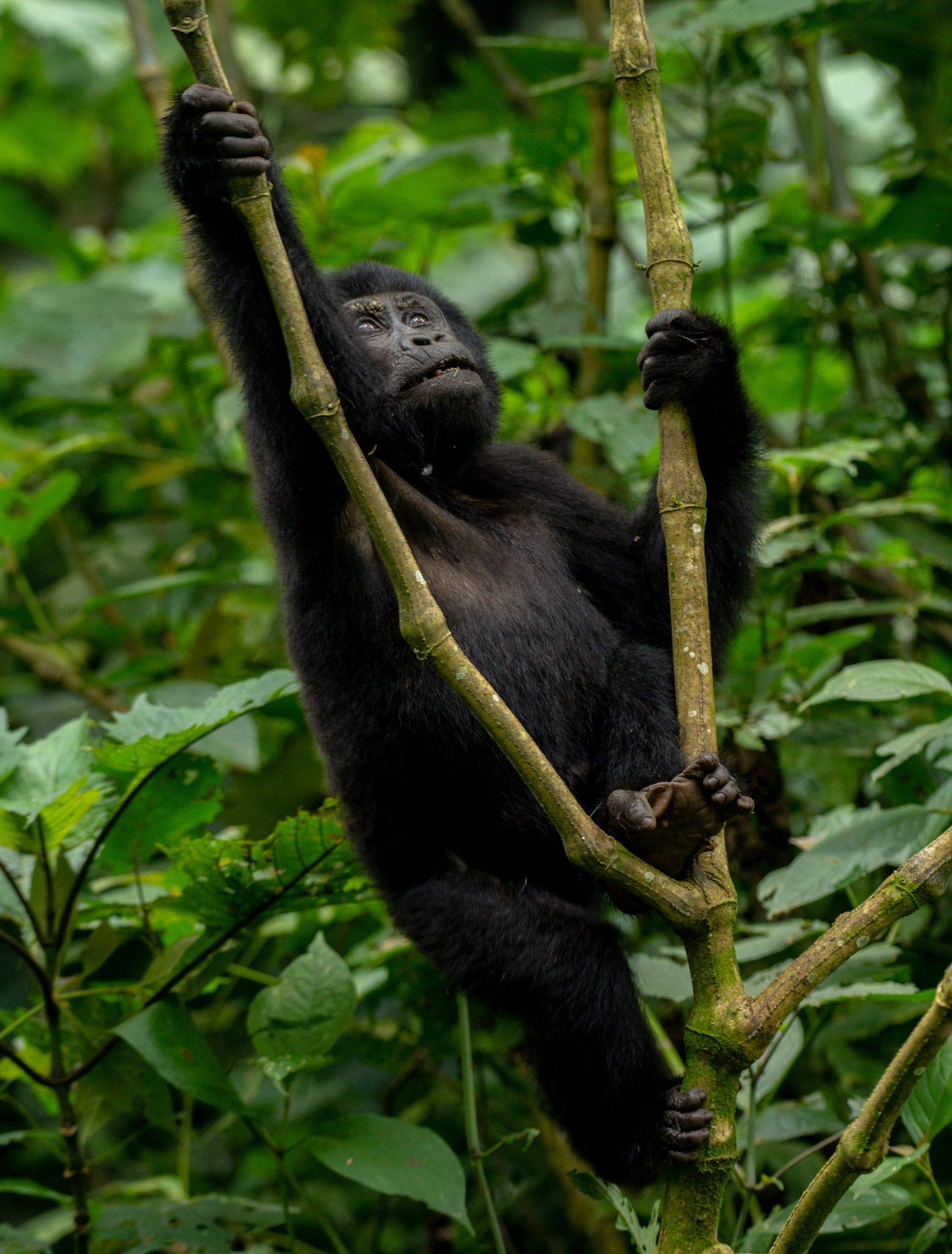
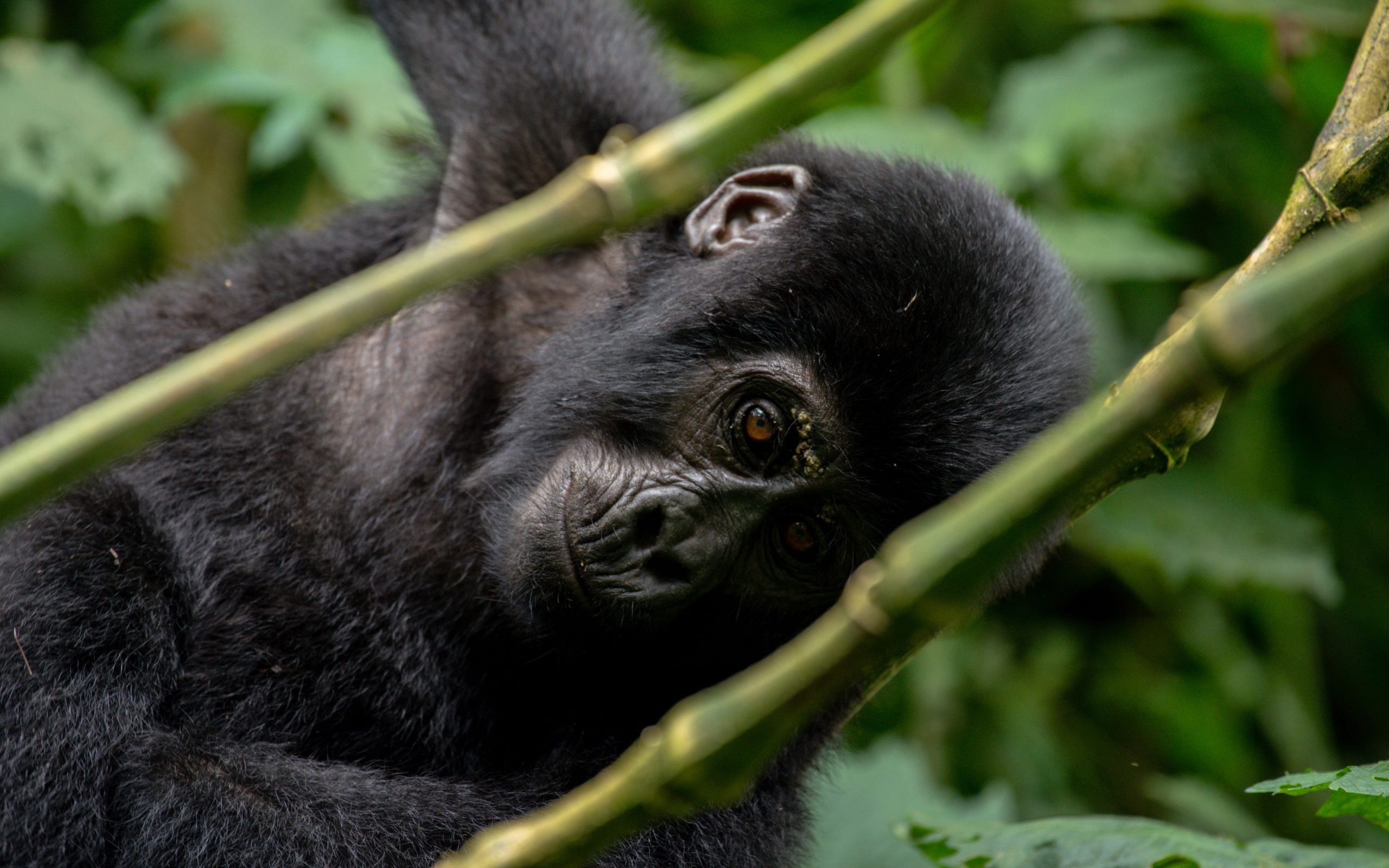
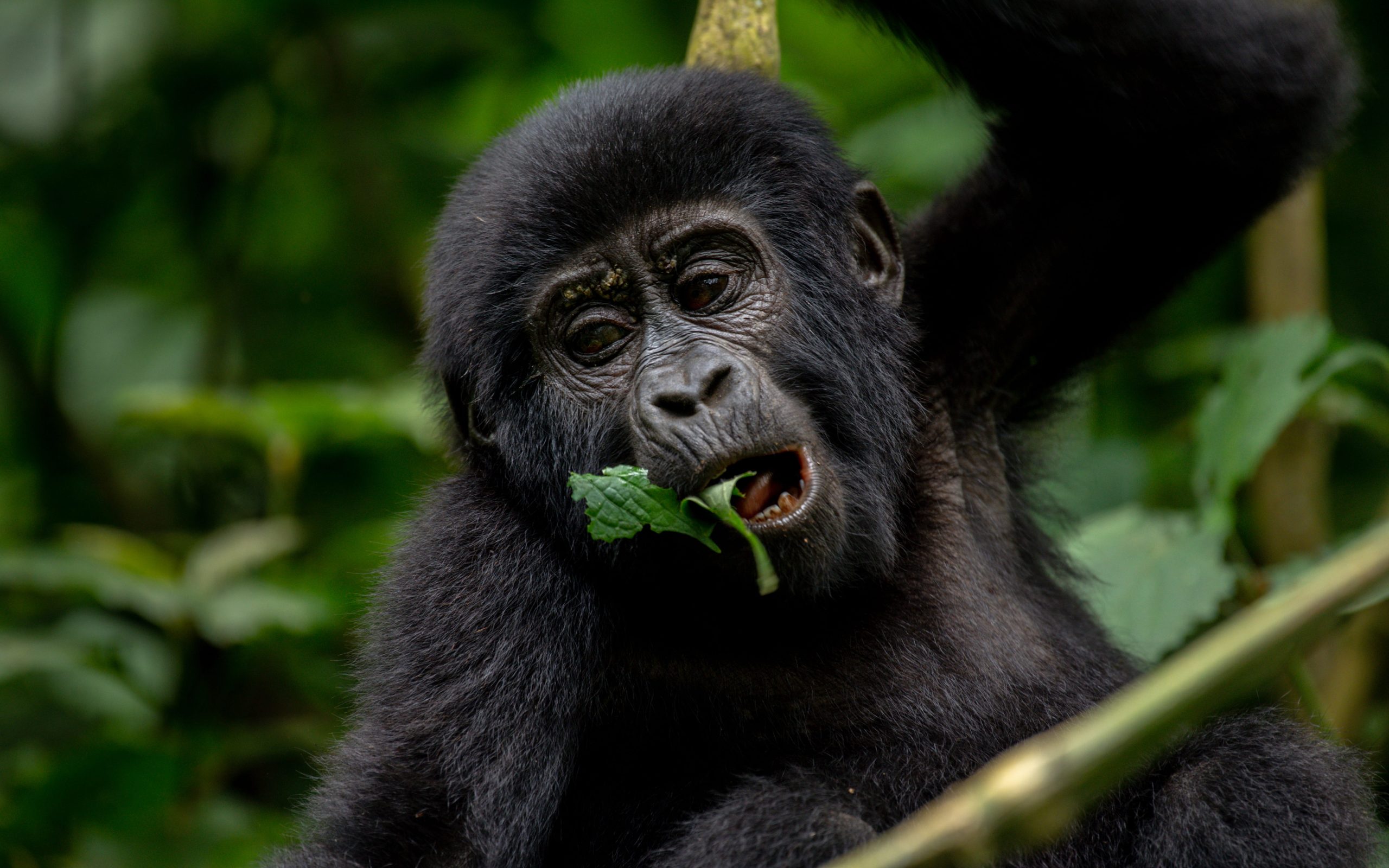
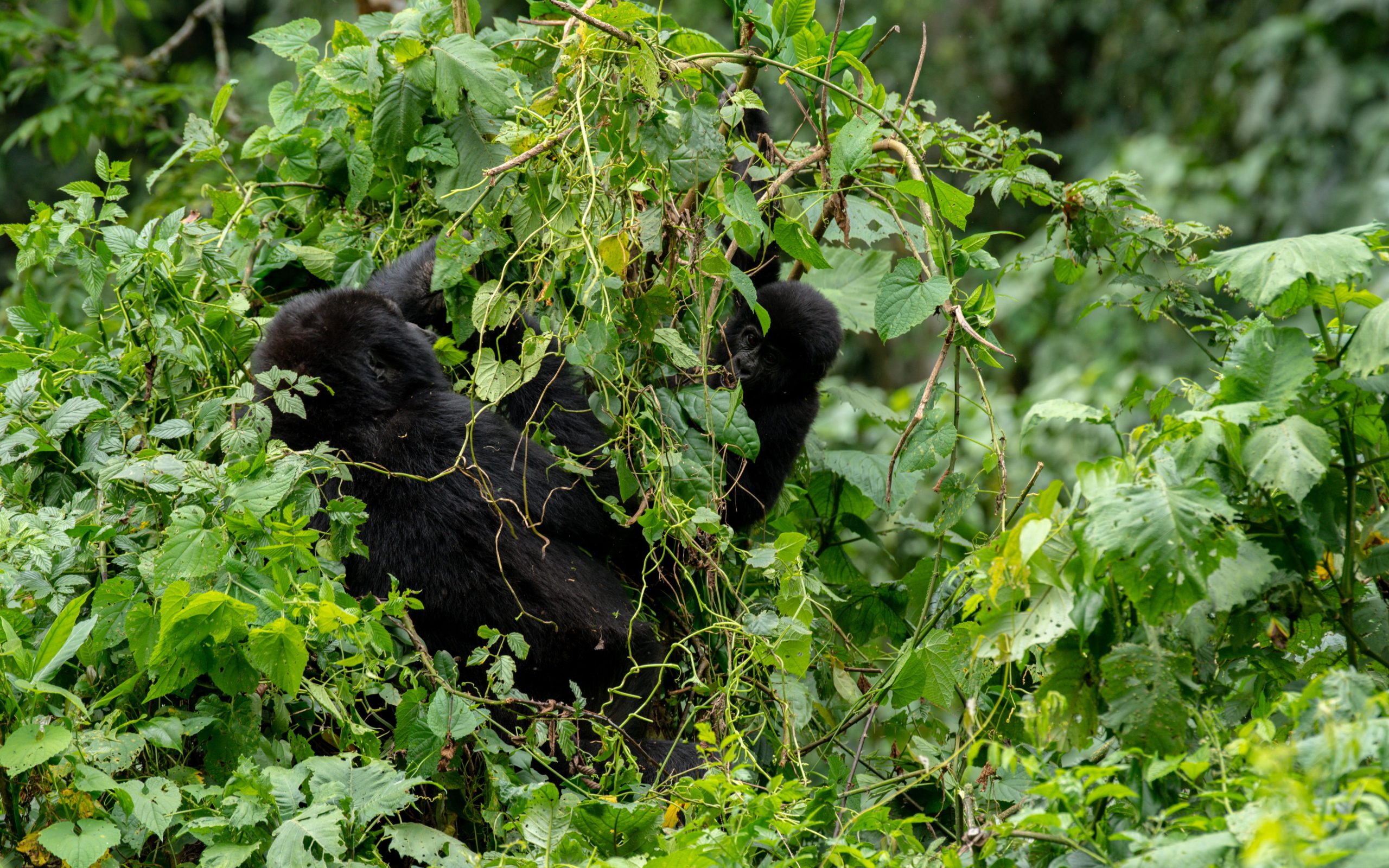
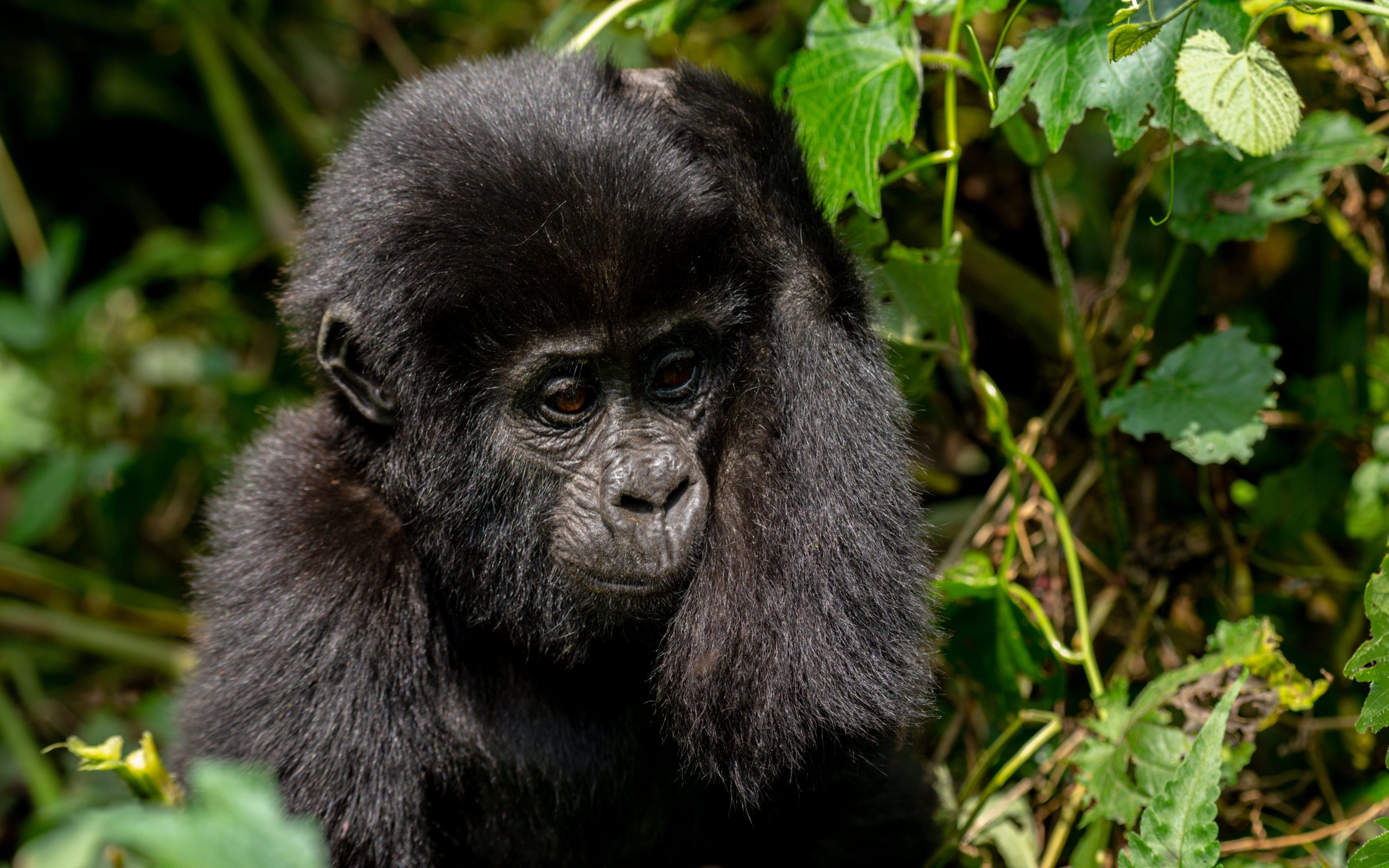
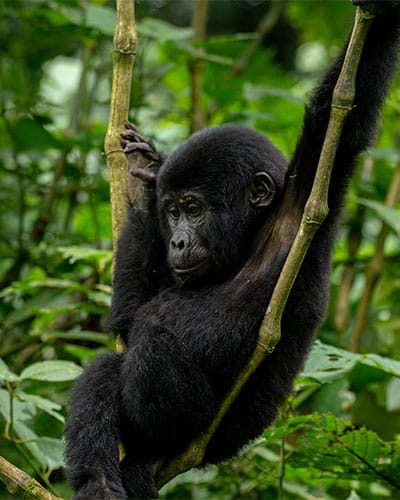
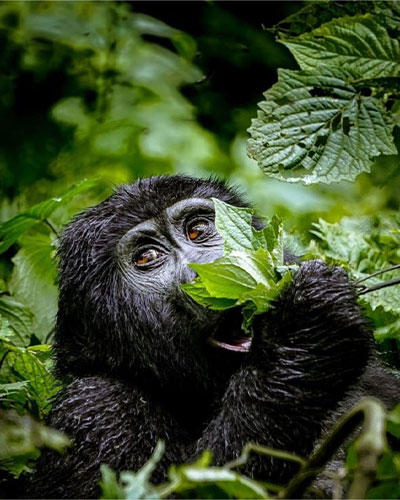
Gorilla trekking is the highlight of every visit to Bwindi Impenetrable National Park. Guided by experienced park rangers, the forest has all habituated gorilla families that live within the park’s dense vegetation.
The trek itself is part of the adventure. Trails lead through thick rainforest, across streams, and up forested slopes before rewarding visitors with the unforgettable sight of mountain gorillas in their natural habitat. Watching a gorilla family interact and care for their young from just a few metres away is an experience. Each trekking group is carefully managed to protect the gorillas and ensure a responsible tourism experience. Because permits are limited, planning is strongly recommended throughout the year.
Bwindi Impenetrable National Park is divided into four gorilla trekking sectors, each offering access to different habituated gorilla families and unique landscapes. All sectors provide unforgettable gorilla trekking experiences; they vary in accessibility, scenery and accommodation options.
Located in the northern part of the park, Buhoma is the most established and historically significant trekking sector in Bwindi and the first area opened for gorilla tourism. It remains popular among visitors due to its excellent accommodation options, well-developed tourism infrastructure, and variety of activities beyond gorilla trekking. Visitors also enjoy forest hikes, birdwatching, and cultural experiences within the surrounding villages.
Perched on the eastern side of Bwindi, Ruhija offers spectacular mountain scenery and a quieter trekking experience. This sector is particularly popular with birdwatchers thanks to its rich birdlife and proximity to some of the park’s best birding trails. Ruhija’s higher elevation provides beautiful panoramic views of the surrounding forest and hills, making it an attractive choice for nature enthusiasts.
Situated in the southern region of the park, Rushaga is home to the highest number of habituated gorilla families in Bwindi. which gives visitors greater permit availability and flexibility when planning their gorilla trekking adventure. The area combines excellent gorilla encounters with scenic landscapes, community tourism and convenient access from Kisoro.
Nkuringo lies on the southern edge of Bwindi. It is renowned for its dramatic scenery and breathtaking views of the Virunga Volcanoes. However, gorilla trekking in this sector is often considered more physically demanding due to the steep terrain.
Despite this, visitors regard Nkuringo as one of the most rewarding experiences in the park. In addition, it offers cultural encounters and some of the most stunning viewpoints in southwestern Uganda.
Bwindi Impenetrable National Park is located in southwestern Uganda and can be accessed by both road and domestic flights. Most visitors travel from Kampala, Entebbe, Queen Elizabeth National Park, Lake Bunyonyi, or Rwanda.
Bwindi can be visited throughout the year. The dry seasons from June to September and December to February are generally preferred for gorilla trekking because trails are easier to navigate. The wetter months offer lush scenery, fewer visitors, and excellent photography opportunities.
Yes. Gorilla trekking permits are mandatory for all visitors wishing to trek mountain gorillas in Bwindi. Permits should be secured well in advance, especially during peak travel seasons, as availability is limited and demand remains high throughout the year.
Gorilla trekking can range from moderate to challenging depending on the location of the gorilla family being tracked. Treks may last anywhere from one to several hours and often involve walking through steep, muddy, and densely forested terrain. A reasonable level of fitness is recommended.
Visitors should bring sturdy hiking boots, long trousers, gardening gloves for gripping vegetation, insect repellent, sunscreen, a reusable water bottle, and a small daypack. Weather conditions can change quickly within the forest.
Bwindi offers a wide range of accommodation options, including luxury lodges, mid-range safari lodges, eco-lodges, guesthouses, and budget camps. Accommodation is available across all four trekking sectors, allowing visitors to stay close to their allocated gorilla trekking location.
Yes. Bwindi is commonly combined with Queen Elizabeth National Park, Lake Bunyonyi, Kibale Forest National Park, Mgahinga Gorilla National Park, and Rwanda. Many travelers include Bwindi as part of a longer Uganda safari or East African road trip.
A 4x4 vehicle is highly recommended due to the mountainous terrain and road conditions around the park, particularly during the rainy seasons. It provides a safer and more comfortable travel experience when accessing the different trekking sectors.
We are your professional dedicated team, providing the most affordable rates for car hire services in Uganda. If you are looking for a chauffeur-driven rental or self-drive car hire, we are definitely the best local car rental agency.