- KN5 Road Remera Kigali
- info@4x4kigalicarentals.com
- +250 787809667
Lake Mburo National Park is located conveniently close to the highway that connects Kampala to the parks of western Uganda. It is the smallest of Uganda’s savannah national parks and is underlain by ancient Precambrian metamorphic rocks which date back more than 500 million years. It is home to 350 bird species as well as zebra, impala, eland, buffalo, oribi, Defassa waterbuck, leopard, hippo, hyena, topi, and reedbuck.
Together with 13 other lakes in the area, Lake Mburo forms part of a 50 km-long wetland system linked by a swamp. Five of these lakes lie within the park’s borders. Once covered by open savanna, Lake Mburo National Park now contains much woodland as there are no elephants to tame the vegetation. In the western part of the park, the savanna is interspersed with rocky ridges and forested gorges while patches of papyrus swamp and narrow bands of lush riparian woodland line many lakes.
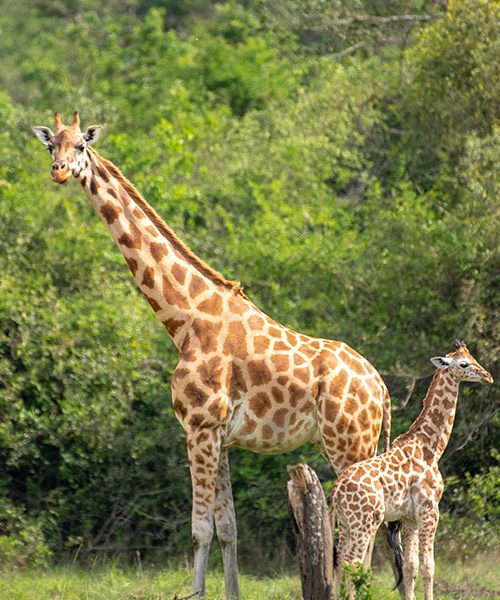
Lake Mburo National Park offers one of the most diverse ranges of safari activities in Uganda. From guided walking safaris and horseback adventures to wildlife game drives and boat cruises, the park allows visitors to experience nature from perspectives that are rarely available in other national parks.
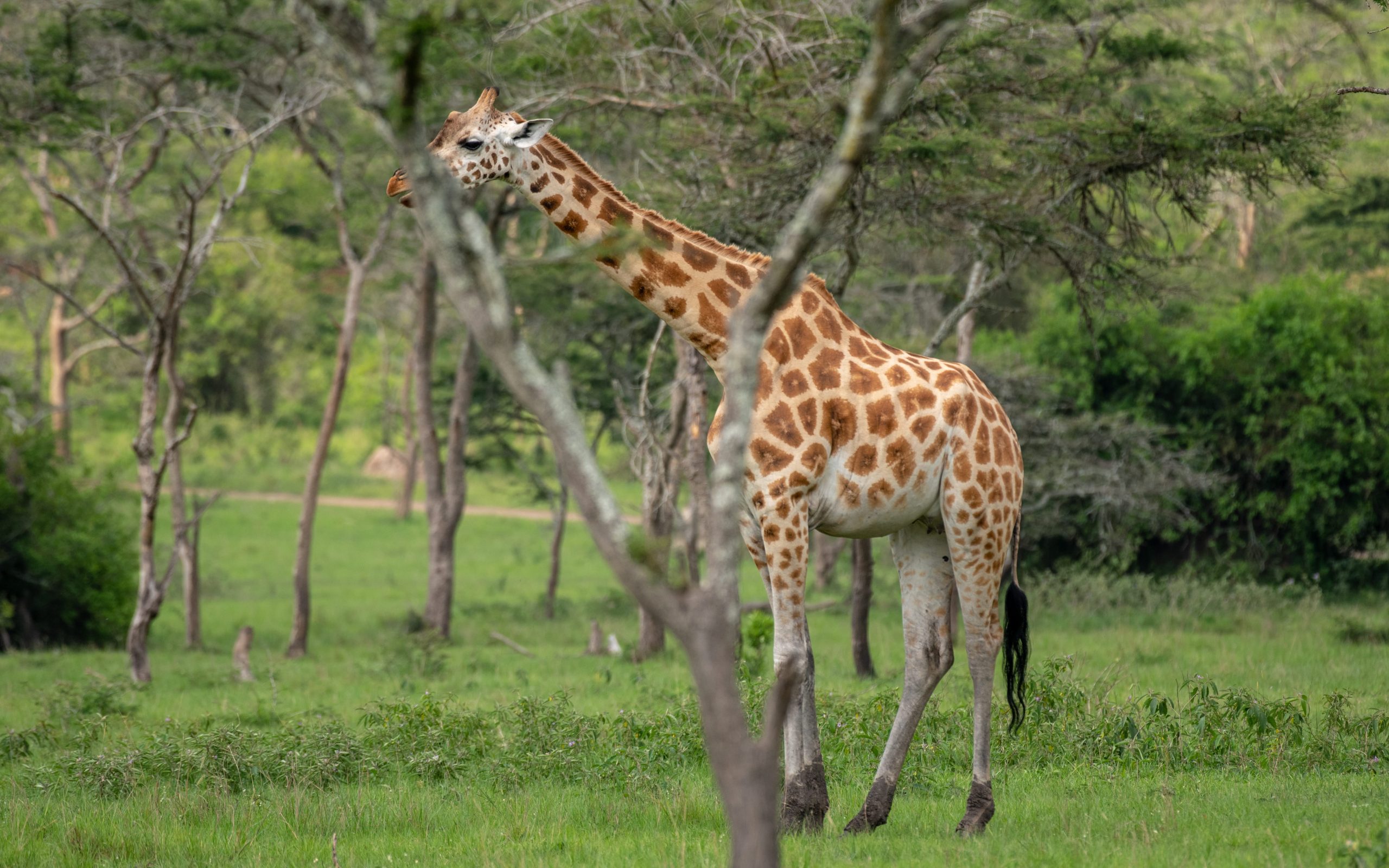
Game drives provide excellent opportunities to observe wildlife in their natural habitat. The park’s network of tracks passes through open grasslands, acacia woodlands, and lakeside environments where visitors can encounter zebras, giraffes, buffaloes
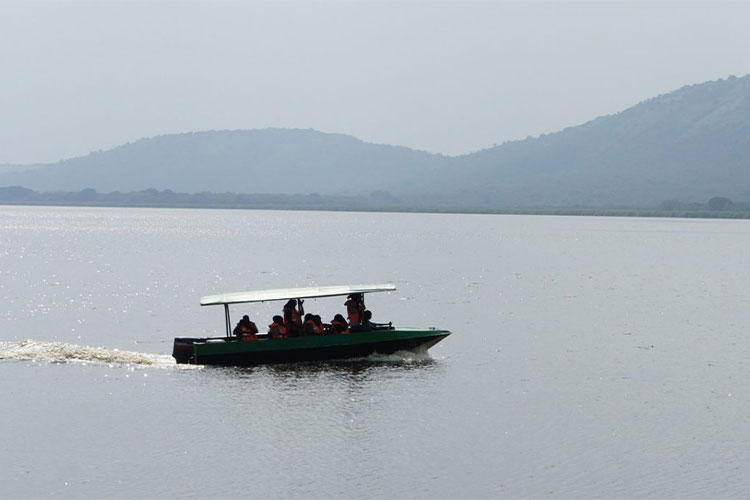
A boat cruise on Lake Mburo offers a relaxing way to experience the park’s aquatic wildlife and scenic beauty. As you glide across the lake, you can observe hippos wallowing in the water, crocodiles basking along the shoreline, and numerous bird species feeding among the wetlands.
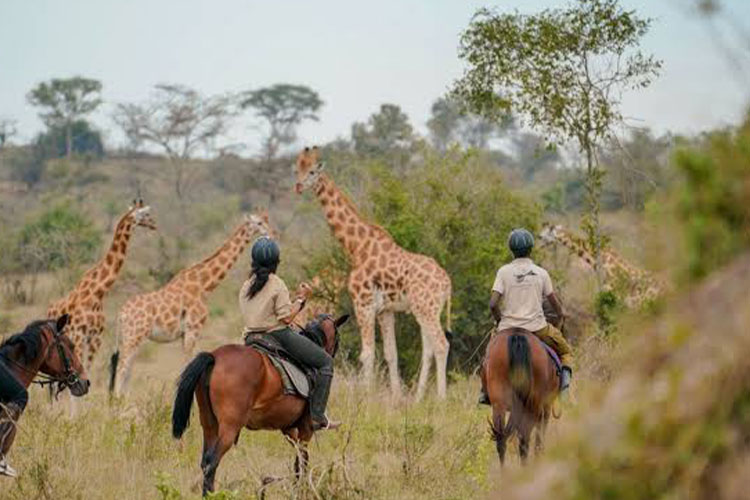
One of the park’s most unique experiences is a horseback safari through the wilderness. Unlike traditional game drives, horseback safaris allow visitors to move quietly through wildlife habitats and often get remarkably close to animals without disturbing them.
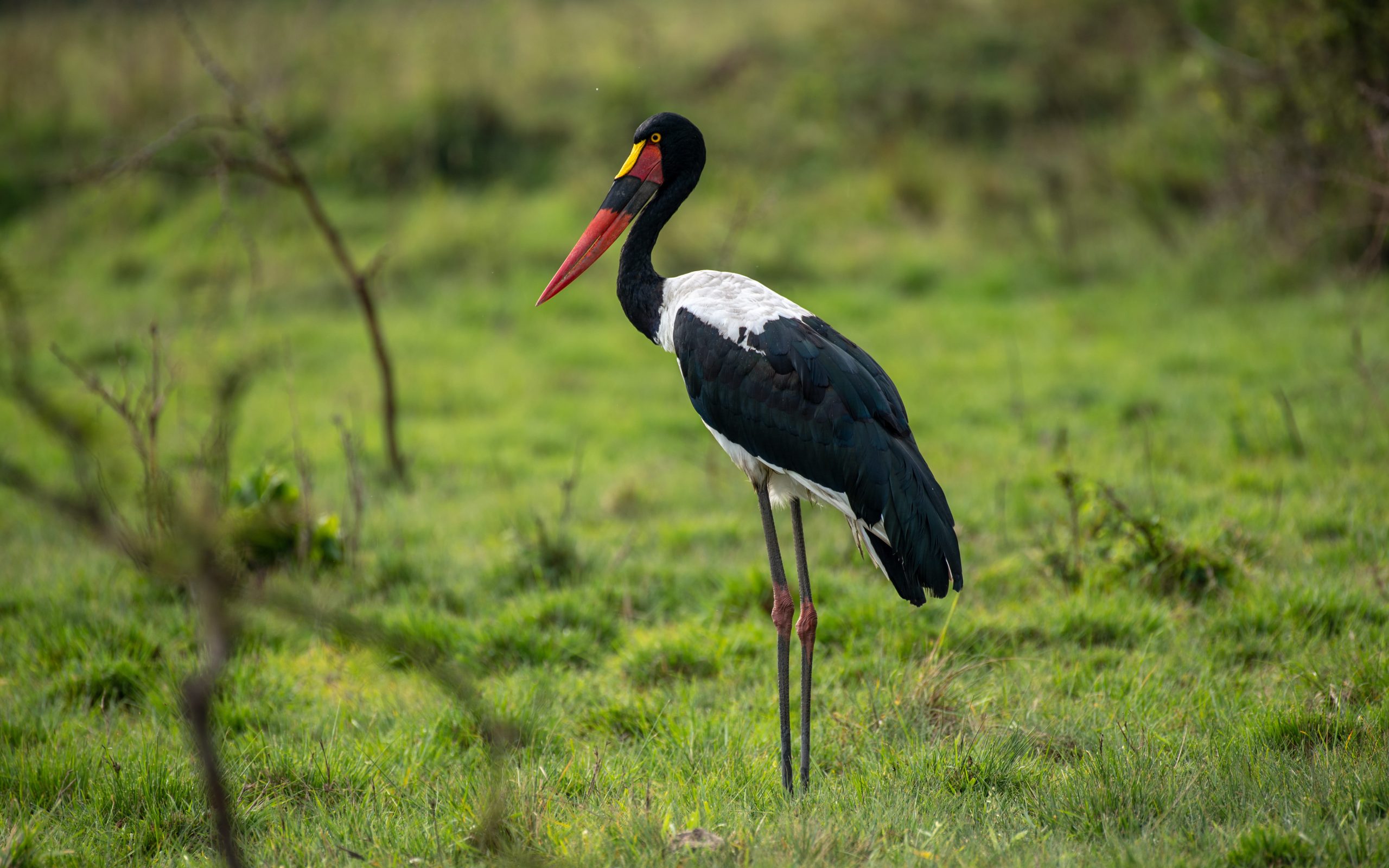
With more than 350 recorded bird species, Lake Mburo National Park is a rewarding destination for bird enthusiasts. The park’s lakes, wetlands, forests, and savannah habitats support a wide variety of resident and migratory birds. Guided birding excursions offer opportunities to spot colourful and rare species while exploring different parts of the park.
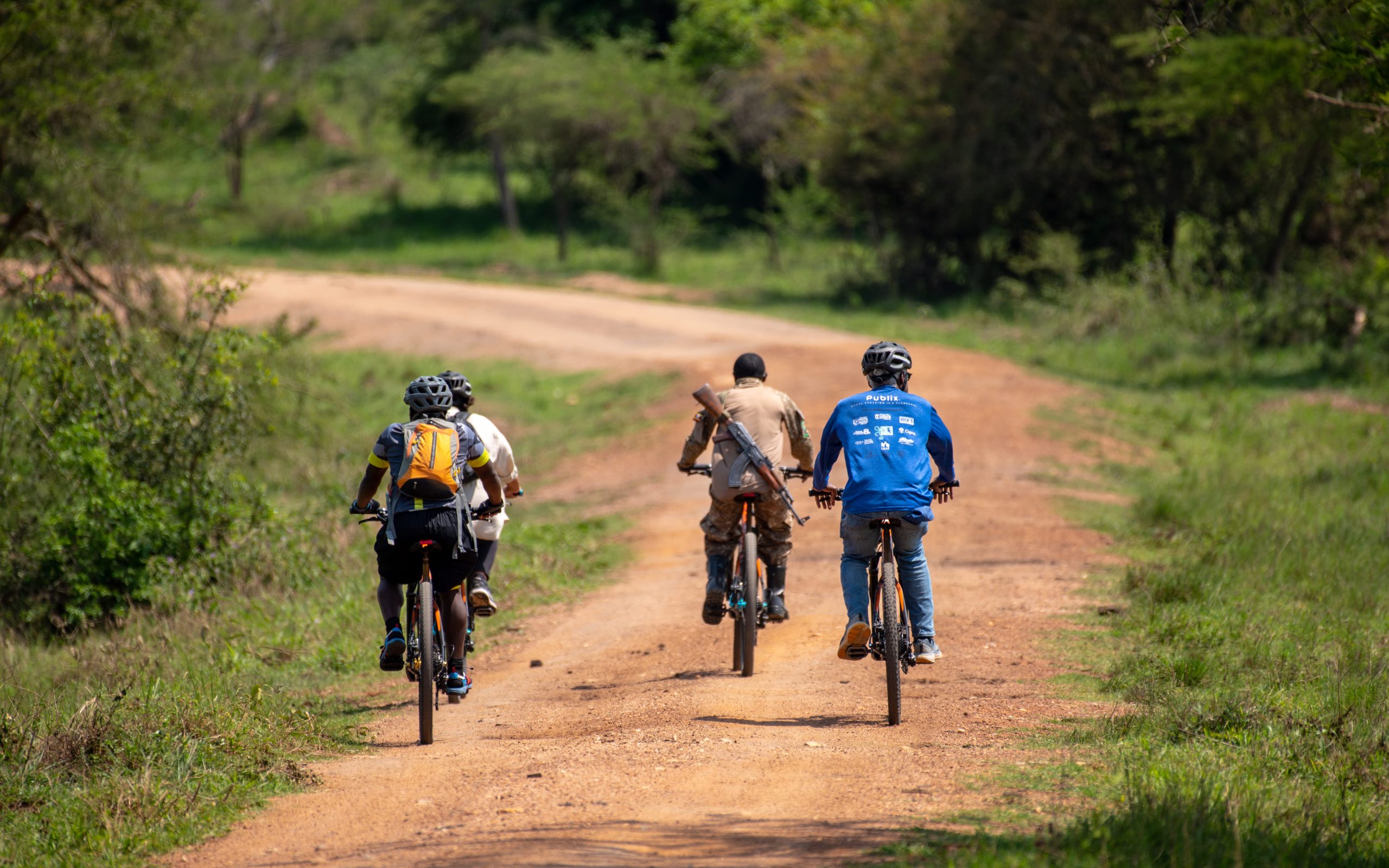
Cycling safaris provide an active and adventurous way to explore Lake Mburo National Park. Accompanied by experienced guides, visitors can ride through scenic landscapes while enjoying close encounters with wildlife and panoramic views of the surrounding countryside.
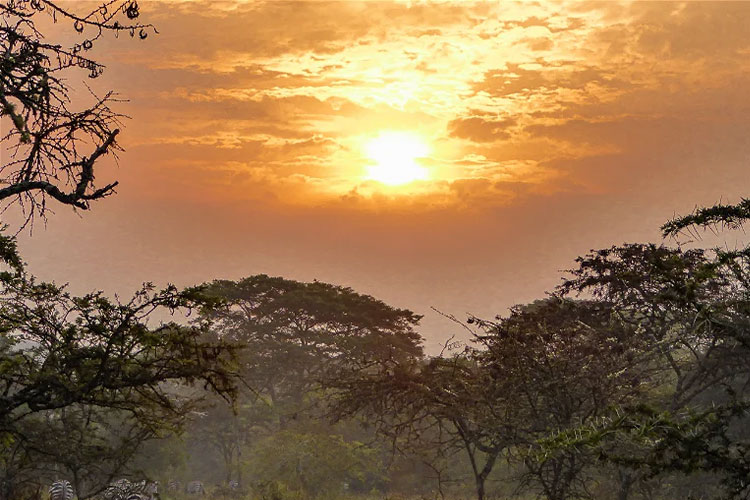
The rolling hills and lakes of Lake Mburo create some of the most beautiful sunset views in Uganda. Whether enjoyed from a lodge viewpoint, a game drive vehicle, or during a boat cruise, watching the sun set over the park is the perfect way to end a day of exploration.
Lake Mburo National Park is a year-round destination, but the experience varies depending on the season. Whether you’re looking for the best wildlife viewing, birdwatching, or comfortable weather, understanding the seasonal patterns will help you plan the perfect safari. Lake Mburo National Park experiences two dry seasons and two rainy seasons, each affecting the wildlife movements, road conditions, and overall safari experience.
Dry Season (June–August & December–February)—Best Time for Wildlife Viewing The dry season is considered the best time to visit Lake Mburo National Park, as animals gather around water sources, making wildlife spotting easier
Wet Season (March–May & September–November)—Best for Birdwatching & Lush Scenery Although the wet season is characterized by heavy rains, it offers stunning green landscapes and excellent opportunities for birdwatching. It’s also the best time to visit if you want to avoid crowds.
Lake Mburo National Park is located in western Uganda and is one of the easiest parks in the country to reach by road. It lies roughly 240 km from Kampala and is commonly accessed via the Kampala to Mbarara highway, with travel time usually around 3.5 to 4.5 hours depending on traffic and your chosen gate. Its location makes it a convenient stop for travelers heading to or from Bwindi, Queen Elizabeth National Park, or southwestern Uganda. UWA also places the park near the Sanga area and within easy reach of Mbarara.
Accommodation around Lake Mburo ranges from luxury safari lodges to mid-range camps and budget-friendly options. This makes the park suitable for short stopovers, weekend safaris, and longer itineraries through western Uganda. Many lodges are positioned on hilltops or near the park boundary, giving visitors beautiful views over the savannah, lakes, and wildlife corridors while still allowing easy access to the park gates and activity starting points.
Lake Mburo works very well as a 1 to 2 night safari destination. One night is enough for travelers who want a short stopover with a game drive and a boat cruise, especially when connecting Kampala with Bwindi or Queen Elizabeth. Two nights give you more time to enjoy the park properly, including a walking safari, sunset boat cruise, horseback riding, or a relaxed morning game drive without rushing.
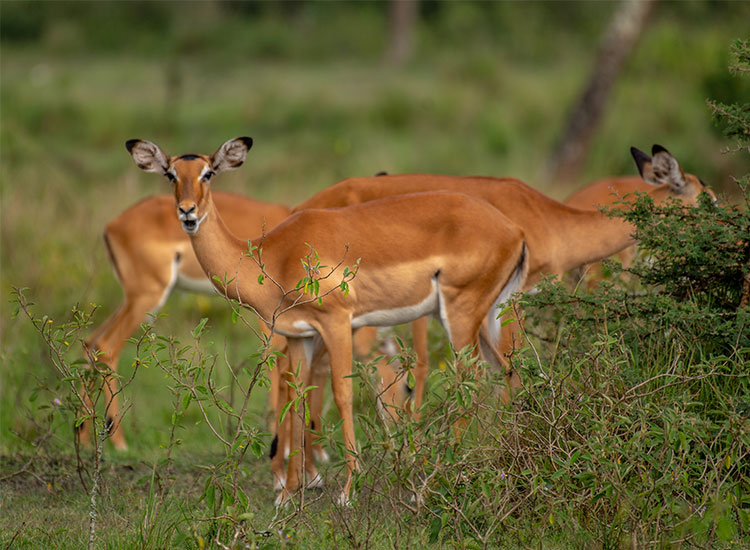
Lake Mburo National Park is best known for zebras, impalas, elands, buffaloes, topis, waterbucks, giraffes, hippos, crocodiles, and rich birdlife, making it one of Uganda's most rewarding parks for close wildlife encounters. While it does not have elephants or lions, the park offers a relaxed safari atmosphere and excellent opportunities to enjoy wildlife from game vehicles, boats, and guided walks.
Although Lake Mburo is one of Uganda's smaller national parks, it offers a beautiful mix of rolling hills, open savannah, acacia woodland, rocky outcrops, wetlands, and lakes that create a scenic and varied safari environment. Its compact size makes it easy to explore, while activities such as walking safaris, horseback safaris, cycling, and boat cruises give it a very different character from Uganda's larger wildlife parks.
We are your professional dedicated team, providing the most affordable rates for car hire services in Uganda. If you are looking for a chauffeur-driven rental or self-drive car hire, we are definitely the best local car rental agency.