- KN5 Road Remera Kigali
- info@4x4kigalicarentals.com
- +250 787809667
Kibale Forest National Park is one of Uganda’s most remarkable wildlife destinations and is widely recognized as the Primate Capital of East Africa. Located in western Uganda near Fort Portal, the park protects one of Africa’s largest remaining tropical rainforests and is home to an extraordinary concentration of primates, birds, and forest wildlife.Covering approximately 795 square kilometres, Kibale Forest is famous for its thriving chimpanzee population, with more than 1,500 chimpanzees living within its dense rainforest ecosystem. The park also supports twelve other primate species, making it one of the best places in Africa for primate viewing and wildlife encounters.Beyond its famous chimpanzees, Kibale offers visitors an opportunity to experience ancient rainforest landscapes, guided nature walks, birdwatching excursions, community tourism experiences, and some of Uganda’s most scenic countryside. Whether you are planning a dedicated chimpanzee trekking adventure or including Kibale as part of a wider Uganda safari, the park delivers an unforgettable rainforest experience.Unlike Uganda’s savannah parks, Kibale offers a completely different safari experience centred around tropical rainforest exploration and primate encounters. The park is internationally known for having one of the highest concentrations of primates anywhere in Africa, creating exceptional opportunities for wildlife viewing throughout the year.
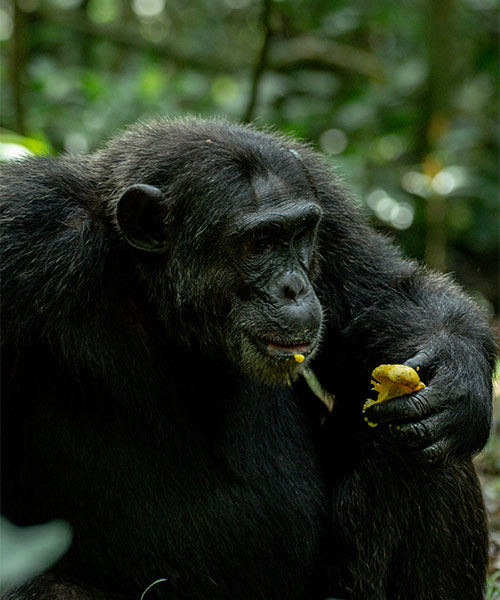
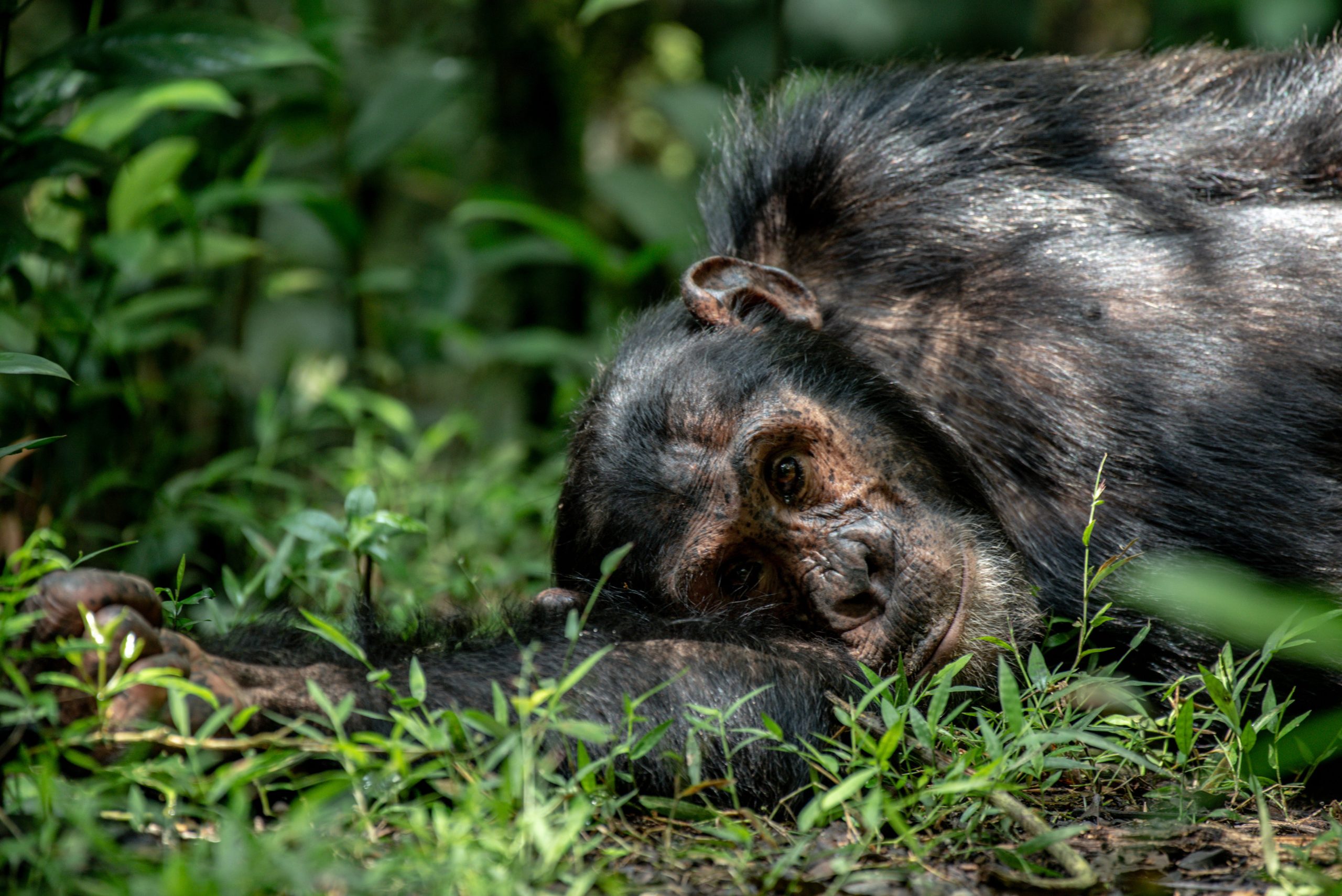
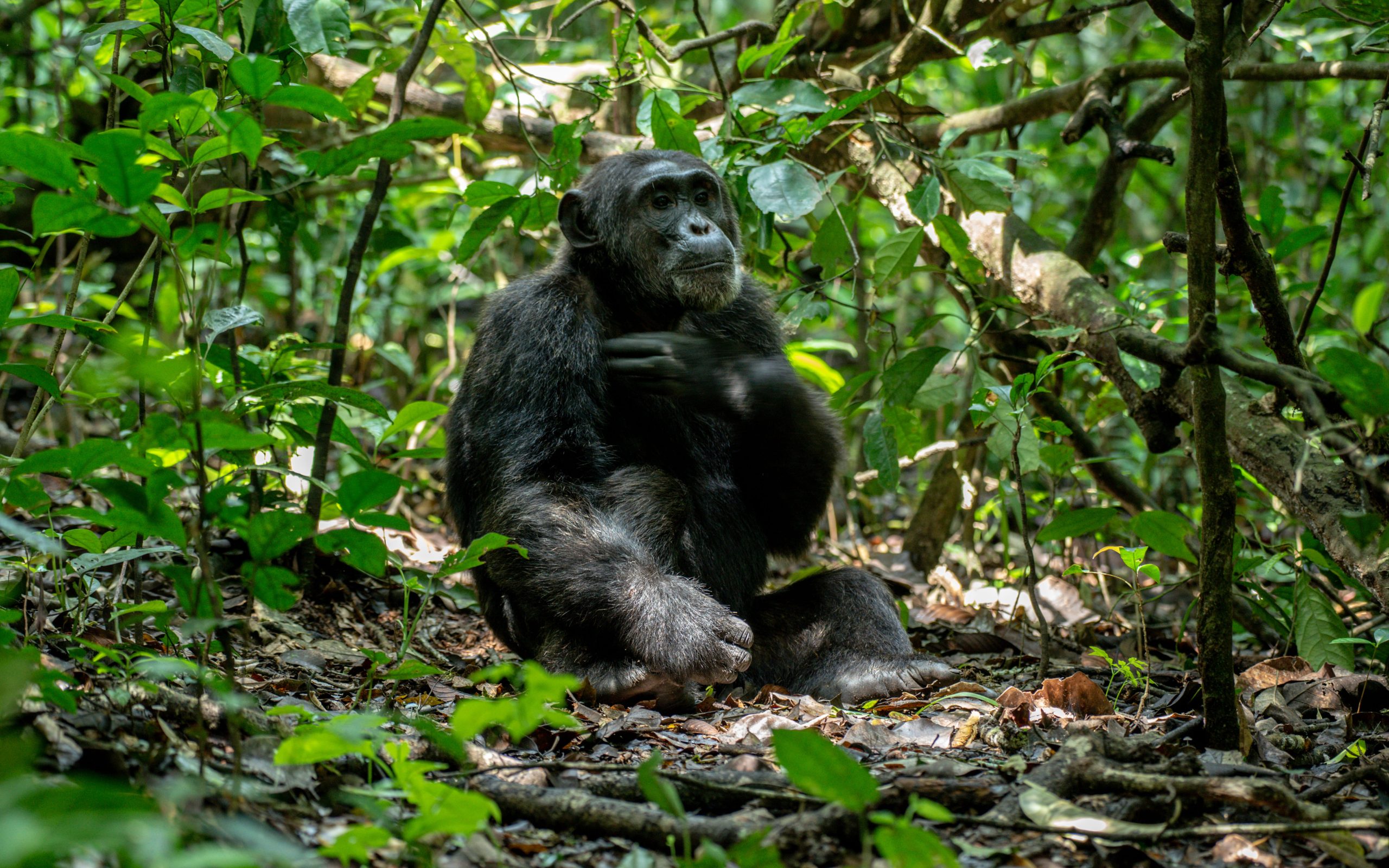
Chimpanzee tracking is the most popular activity in Kibale Forest National Park.Guided by experienced rangers, visitors walk through the rainforest in search of habituated chimpanzee communities. Once found, participants spend one hour observing the chimpanzees as they feed, communicate, groom, and interact within their natural environment.
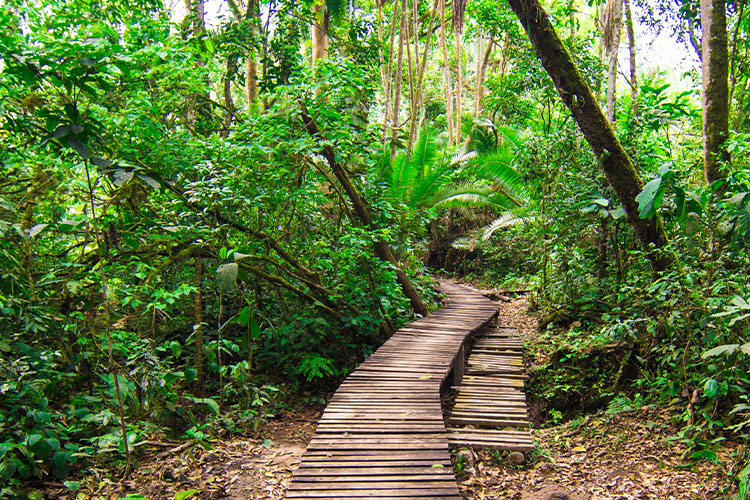
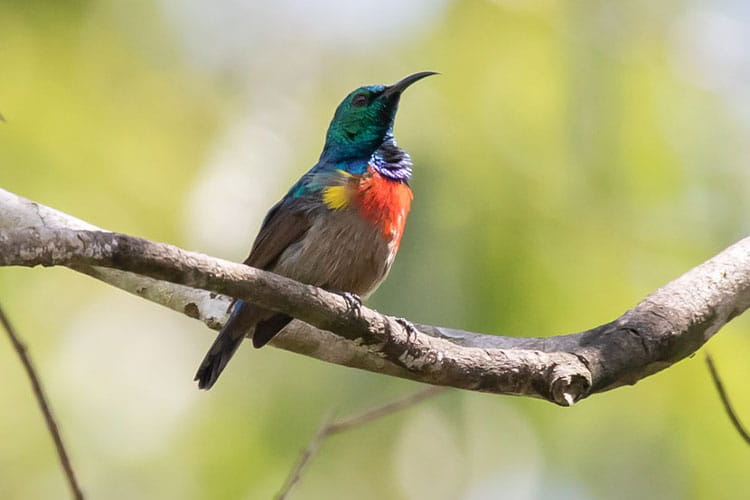
Kibale Forest National Park is one of Uganda’s premier birding destinations, supporting more than 370 bird species. Guided birding excursions take visitors through rainforest trails, wetlands, and forest edges in search of species such as the Great Blue Turaco, Green Breasted Pitta, African Pitta, Black Bee Eater, and many other forest birds.
Kibale contains a variety of wildlife species, including 70 mammal species, 13 primates species, and 325 bird species in and under its canopy. Notable wildlife in Kibale National Park includes the remarkable common chimpanzee, baboon, red colobus, black and white colobus, L’Hoest’s, red-tailed, vervet, and blue monkeys, and the Uganda mangabey. Other exciting wildlife includes forest elephant, duiker, bushbuck, sitatunga, bushpigs, giant forest hogs, common warthogs, and African buffalo. The Kibale predator list includes leopard, serval, African golden cat, mongooses, otter, and occasionally visiting lion.
Although Kibale offers superlative primate viewing, it is challenging to see large mammals despite an impressive checklist. Kibale’s main attraction, however, is the opportunity to track chimpanzees in their natural habitat from the Kanyanchu visitor center.
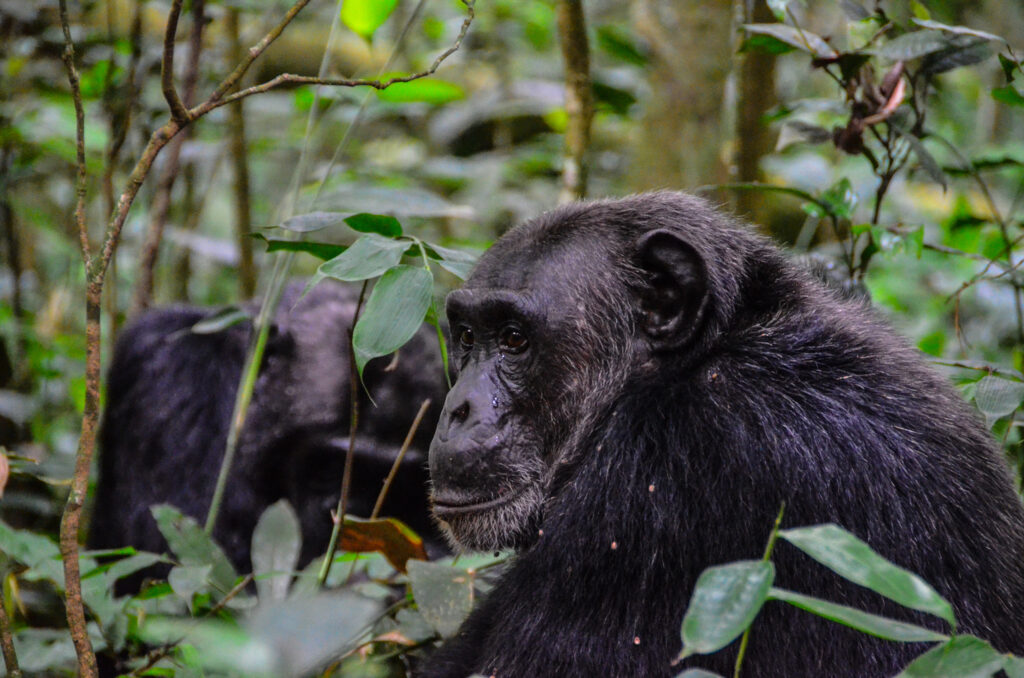
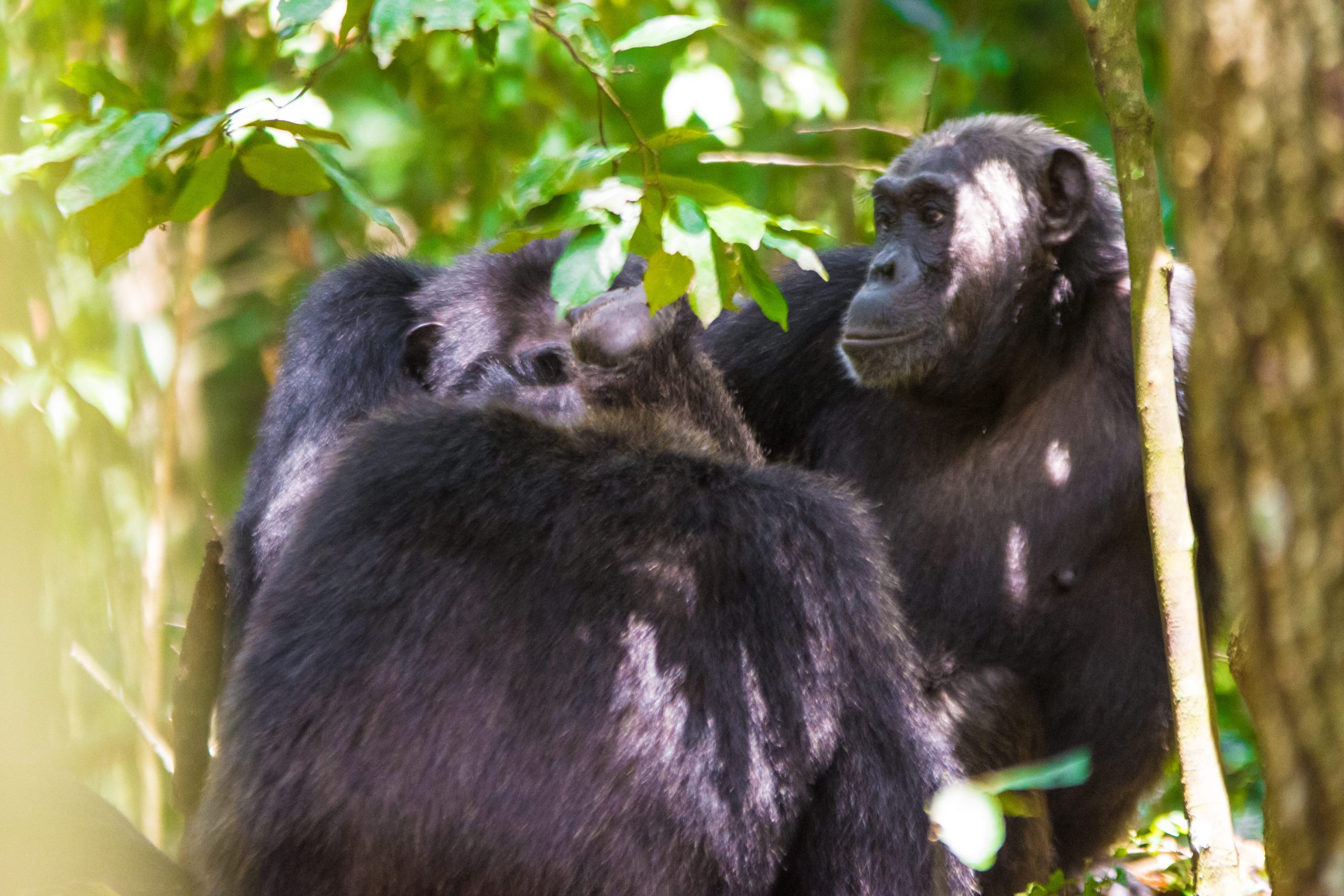
The Chimpanzee Habituation Experience offers a rare opportunity to spend extended time with wild chimpanzees while accompanying researchers and park guides involved in the habituation process. Unlike standard chimpanzee tracking, which allows visitors one hour with the chimpanzees, this experience provides several hours in the forest observing chimpanzee behaviour throughout the day.
Participants join the chimpanzees as they leave their nests in the morning, forage for food, socialize, communicate, and move through the forest. Along the way, guides explain the ongoing research and conservation efforts that help chimpanzees gradually become accustomed to human presence without altering their natural behaviour.
Kibale Forest National Park can be visited throughout the year, but the dry seasons from June to September and December to February are usually the most comfortable for chimpanzee tracking, forest walks, and birdwatching because trails are generally less slippery and easier to navigate. The rainy months, especially March to May and October to November, bring greener scenery and excellent bird activity, though forest trails can be muddier and tracking conditions more challenging after heavy rain.
Chimpanzee tracking is one of the main reasons travelers visit Kibale, so permits should be booked in advance, especially during peak travel seasons. The park is known for having one of the best chimpanzee tracking experiences in Uganda, and early booking helps secure your preferred date while also making it easier to coordinate accommodation and other activities around your itinerary.
Kibale offers a good range of accommodation options including luxury lodges, forest retreats, mid-range safari camps, and budget-friendly stays around Kanyanchu, Bigodi, and the crater lakes region. Where you stay can shape your experience, so it is worth choosing accommodation based on whether you want quick access to chimpanzee tracking, a quiet forest setting, or a scenic base close to Bigodi Wetland and the surrounding crater lakes.
Visitors should pack comfortable walking shoes or hiking boots, long trousers, a lightweight rain jacket, insect repellent, sunscreen, a reusable water bottle, and neutral-coloured clothing suitable for forest walks. Binoculars are useful for birdwatching, while a camera with a good zoom lens can be helpful for photographing chimpanzees and other wildlife in the forest canopy.
Yes, Kibale is one of the easier forest parks in Uganda to include on a self-drive itinerary, especially for travelers moving through western Uganda. The roads to the park are generally accessible throughout the year, and its location near Fort Portal makes it easy to combine with Queen Elizabeth National Park, Semuliki, the crater lakes region, and other destinations, though a 4x4 is still recommended for comfort and flexibility.
v
Kibale is one of the best parks in Uganda to combine with other destinations because it sits within the western Uganda safari circuit. It is commonly paired with Queen Elizabeth National Park for a mix of chimpanzee tracking and classic wildlife safaris, but it can also be included alongside Semuliki National Park, Bwindi Impenetrable National Park, Lake Mburo National Park, and the crater lakes region for a broader Uganda road trip.
Essential items include lightweight clothing in neutral colours, comfortable walking shoes, a hat, sunscreen, insect repellent, binoculars, a camera, and a reusable water bottle. Early morning and evening game drives can be cool, so a light jacket is also recommended.
We are your professional dedicated team, providing the most affordable rates for car hire services in Uganda. If you are looking for a chauffeur-driven rental or self-drive car hire, we are definitely the best local car rental agency.